BUSINESS CENTER

Business Center

金属螺旋桨模型

Metal propeller model

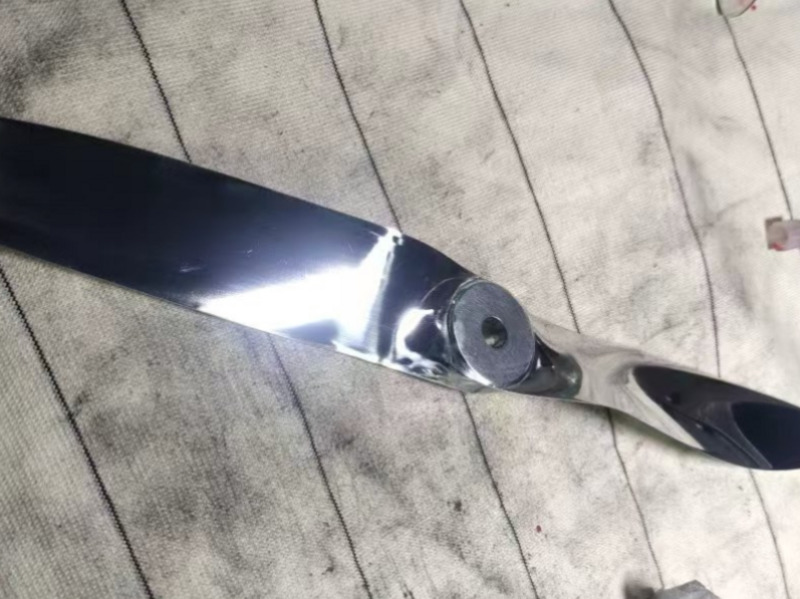
        The metal propeller model is made of aluminum alloy, and is mainly used to measure the aerodynamic performance, load distribution and flow field characteristics of the propeller. The model is processed by numerical control to ensure high precision reduction of geometric parameters such as leaf shape, pitch and disk surface ratio, good structural rigidity, high strength, no deformation under high-speed rotating conditions, and strong test stability. Its internal pressure measuring hole, strain plate and other sensors can be used to get the surface pressure distribution, rotational load and vibration characteristics of the blade, and provide reliable test data for the pneumatic design, intensity calibration and noise analysis of the propeller. The model has good durability, high measurement precision, but the quality is too large, too.
金属机翼测压模型

Pressure measurement model of metal wing

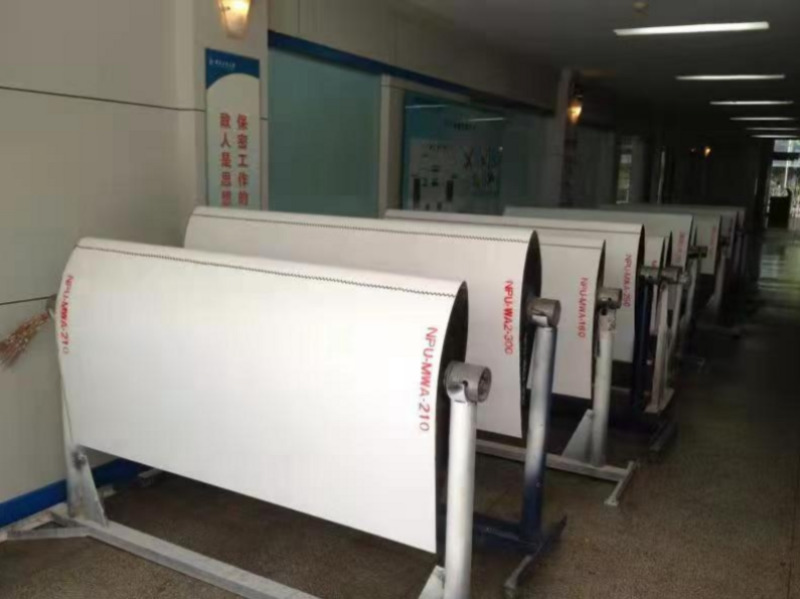
        The metal wing pressure measurement model is generally made of aluminum alloy, stainless steel and other metal materials, and is the standard test model for measuring the pressure distribution on the surface of the wing in the wind tunnel. It relies on machining to ensure extremely high dimensional accuracy and structural rigidity, has large overall rigidity, is not easy to deform, and can work stably under high-speed and high-pressure wind tunnel conditions. Precision pressure measuring holes and pressure guide pipelines are usually reserved inside the model, and pneumatic pressure data of each measuring point are obtained through an external pressure scanning valve, which provides reliable test basis for the analysis of aerodynamic load and aerodynamic characteristics of aircraft. Because of its high structural strength, good repeatability and stable air tightness, it is often used in high-precision conventional pressure test, but the quality is large, the stiffness is difficult to flexibly control, and it is not as convenient as the composite model in the pneumatic elastic similar simulation.

复合材料机翼测压模型

Composite material wing pressure measurement model

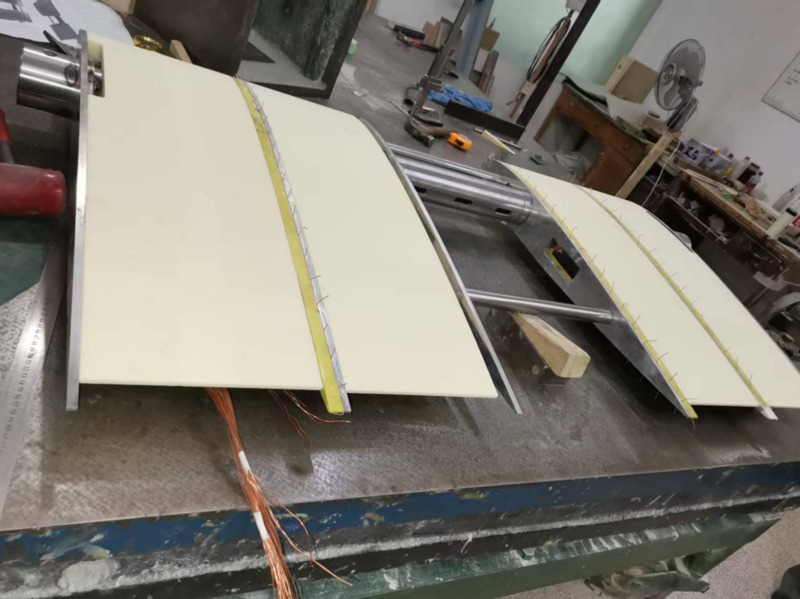
        The pressure measurement model of composite wing is a high-precision wind tunnel test model made of carbon fiber, glass fiber and other composite materials. It is used to simulate the aerodynamic shape and stiffness characteristics of the real wing, accurately measure the pressure distribution, aerodynamic load and flow field characteristics of the wing surface, and provide test data for the aerodynamic design, load calculation and aeroelastic analysis of aircraft. It can accurately control the stiffness and mass distribution through the paving design, has the advantages of high strength, good shape accuracy, lightweight structure, etc., the internal embedded pressure measurement pipeline and with the pressure scanning valve or pressure sensitive coating to achieve multi-point pressure acquisition, widely used in aerospace aircraft aerodynamic performance verification and optimization.

玻璃纤维机翼测压模型

Pressure measurement model of glass fiber wing

        The pressure measurement model of glass fiber wing is a high-precision test model for wind tunnel test with glass fiber composite material as the main structure. It mainly simulates the aerodynamic shape and stiffness characteristics of the real wing, accurately measures the pressure distribution on the wing surface, obtains the key aerodynamic data such as pressure coefficient and aerodynamic load, and provides the test basis for the aerodynamic design, structural strength and aerodynamic elasticity analysis of aircraft. With the advantages of glass fiber light weight, high strength, designable stiffness, smooth surface and low cost, the model adopts the composite structure of beam rib core material and the forming process of embedded pressure testing pipeline, taking into account the shape accuracy, stiffness similarity and air tightness. Compared with the metal model, the model is easier to realize stiffness matching and rapid manufacturing, and is widely used in aircraft development and aeroelastic research.