
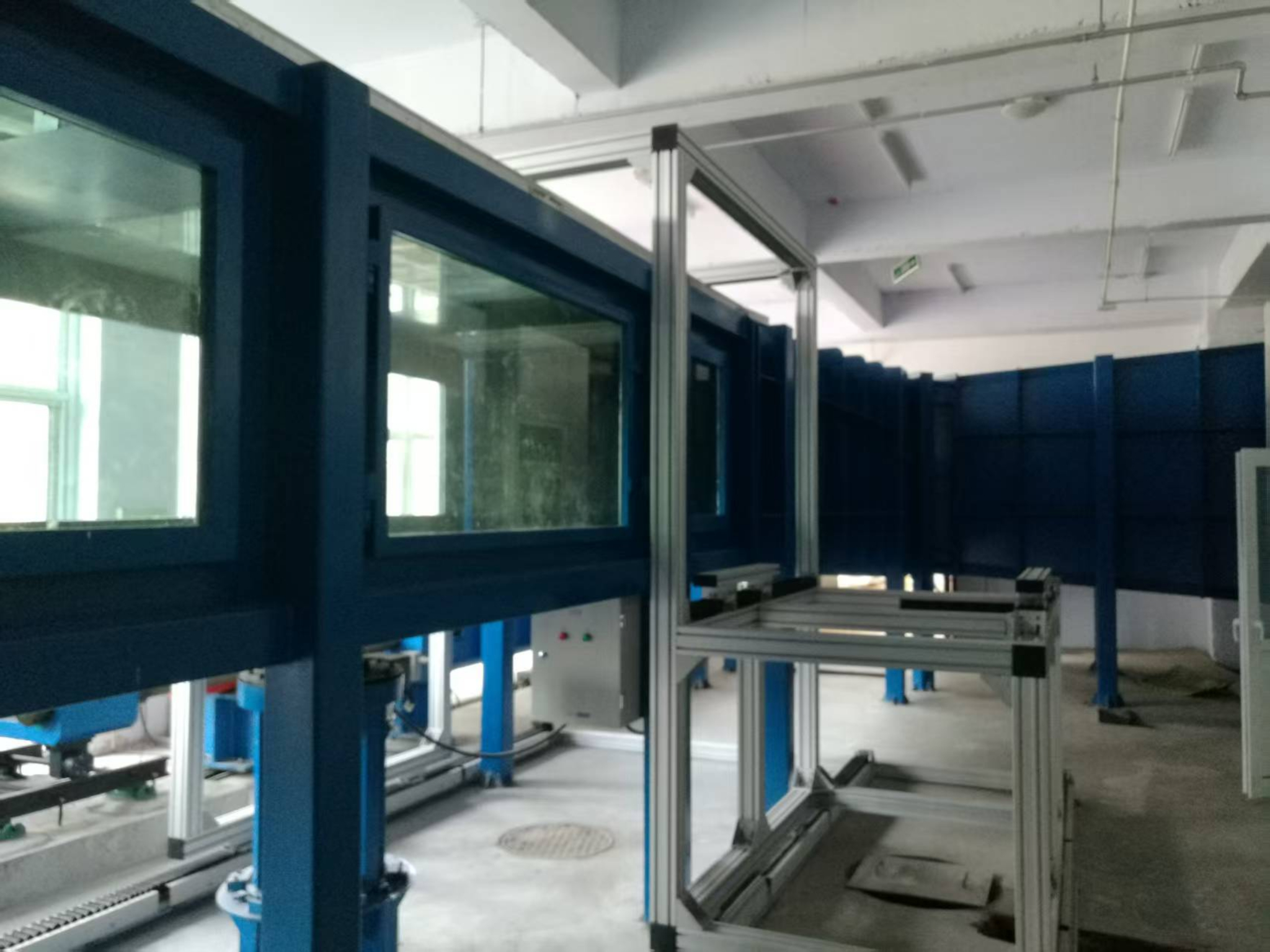
Composite material wing pressure measurement model
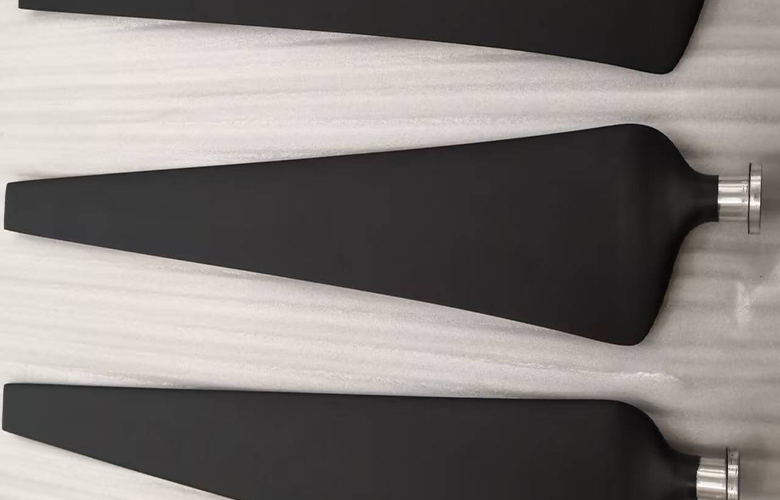
Lightweight load and stiffness can be designed to serve complex wing aerodynamic tests.
Carbon fiber composite material molding, metal interface integration and pressure measurement structure design, taking into account the model quality, stiffness, shape and test function.
The composite-material wing pressure-measurement model is used to simulate the aerodynamic shape and certain structural characteristics of a real wing, thereby obtaining surface pressure distributions, aerodynamic loads, and flow-field data. Compared with all-metal designs, composite materials allow for the adjustment of mass and stiffness through material selection and ply‑layup design, making them more suitable for lightweight, slender structural components and aeroelasticity studies.
The model body can be made of carbon fiber composite material and combined with the metal root connection, the mounting shaft and the internal load cell structure. The manufacturing process requires co-ordination of mold, layup, curing, surface accuracy, surface quality and pipeline space.
Xi'an Xinghualang Technology Co., Ltd. provides structural design, forming and manufacturing, metal interface processing, surface treatment and installation adaptation of composite wing models according to the target airfoil, geometric dimensions, wind tunnel interface and measurement scheme.
Core technology advantage
01 Lightweight high stiffness composite structure-reduce model quality
The higher specific strength and specific stiffness of carbon fiber composites are used to reduce the weight of the model while meeting the structural stability.
The lay direction, local reinforcement and internal support can be designed according to the test objectives.
02 Stiffness and mass distribution can be designed-support similarity study
The bending and torsional stiffness and mass distribution are adjusted by the material system, the number of layers and the structural form.
It provides a more flexible model basis for the study of aeroelasticity, flutter and load response.
03 Complex surface integral forming-keep the aerodynamic surface continuous
The mold and forming process design are completed according to the wing geometry, and the leading edge, trailing edge, wing root and gradual cross-section are finely controlled.
The surface smoothness is improved by finishing and surface treatment after molding.
04 Metal interface integration-for reliable installation and load transfer
The root of the model is equipped with a special metal connection structure, which is customized according to the support method and the installation shaft.
Focus on the positioning, connection and local reinforcement between composite materials and metal parts.
05 Collaborative arrangement of pressure measurement system-taking into account the pipeline and structural space
Set pressure measuring hole, internal pressure pipe and outlet interface according to measuring point scheme.
Coordinate the piping, core, stiffeners and connection structure within a limited thickness to ensure measurement function and model integrity.
Main products and services
carbon fiber composite wing model
Provide custom design and manufacturing for lightweight, high stiffness and high quality aerodynamic surface requirements.
Composite airfoil pressure measurement model
Integrated piezo and pressure piping for pressure distribution and local flow studies.
composite blade model
Suitable for wind turbine blades, rotating mechanical blades and slender pneumatic components test.
Metal root interface and supporting tooling
Provide mounting shafts, flanges, positioning parts, transportation protection and assembly auxiliary tooling.
Typical application areas
wing aerodynamics
For surface pressure, lift resistance and local flow characteristics.
Aeroelasticity and Flutter
Structural response studies using stiffness and mass distribution designable characteristics.
New energy blade aerodynamic
Services for aerodynamic testing of wind turbine blades and other long-scale blades.
Development of Composite Test Model
Provide customized composite models and interfaces for universities and research projects.
Representative engineering cases
Wing Model Project of Carbon Fiber Composite Wind Tunnel
Around the wing lightweight, structural stiffness and installation interface requirements, the company completed the design and manufacture of carbon fiber composite wing model.
The project adopts the combination scheme of composite body and metal root interface to carry out collaborative design of complex surface, local reinforcement and assembly datum.
After surface treatment and assembly inspection, the model can be reliably connected with the wind tunnel support system, which provides an experimental carrier for the study of the aerodynamic performance of the wing.
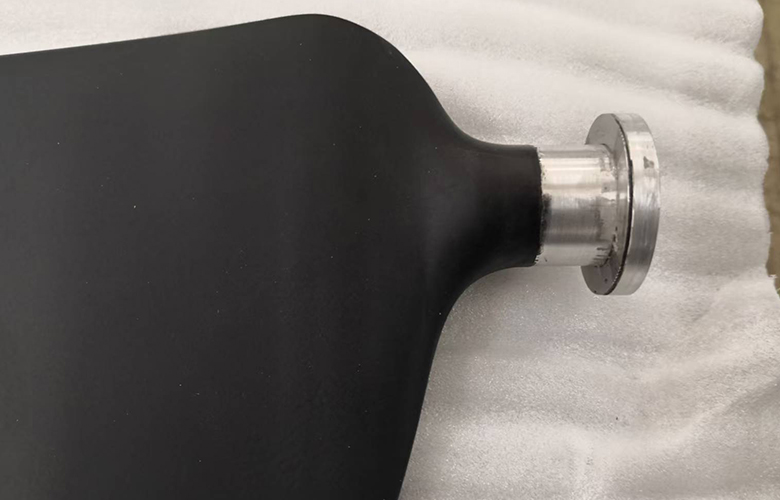
Composite Wing Model Metal Root Interface
Full-process customized engineering services
Analysis of test requirements → determination of shape and similar parameters → design of structure and layup → mold manufacturing → composite material forming → metal interface assembly → surface finishing → wind tunnel adaptation
The material system and structural scheme are selected according to the target stiffness, mass, model size and wind tunnel conditions.
Through the mold, molding, processing, assembly and field adaptation, reduce the impact of multi-process convergence on the accuracy of the model.
Expand the wind tunnel model design space with composite engineering capabilities.
The composite model integrates aerodynamic shape, structural properties and lightweight requirements on the same test carrier.
The company continues to improve the integration capabilities of composite molding, metal interface and measurement functions.
Light and stable, precise and measurable, making complex wing tests more achievable.