BUSINESS CENTER

Business Center

空气炮

Air cannon

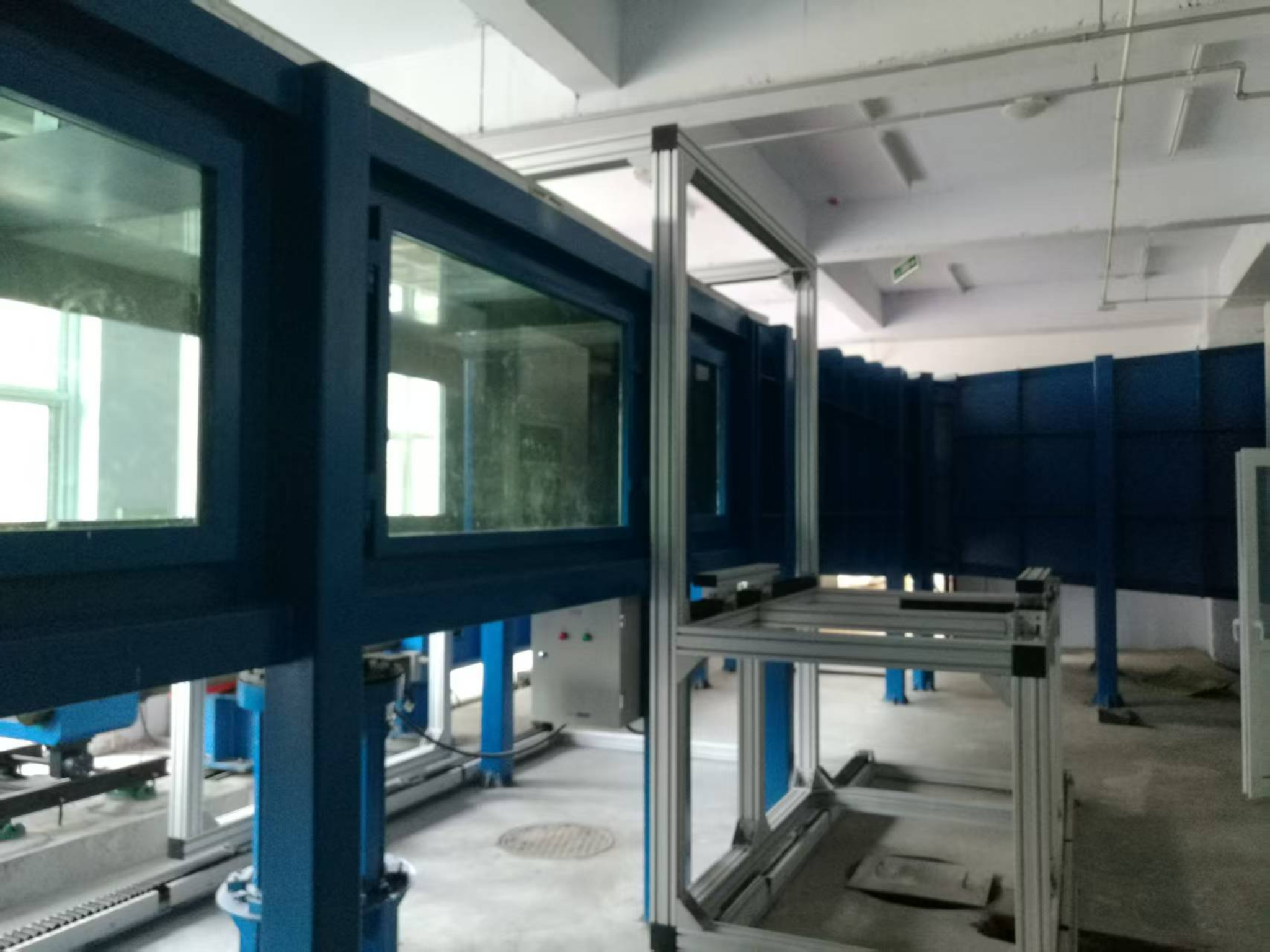
        The gas gun experimental device is the core equipment of material dynamic mechanics and impact dynamics research. It uses the huge thrust released by high-pressure gas to accelerate the projectile in the launch tube and make it hit the target after reaching a predetermined speed, so as to simulate high-speed impact, penetration, explosion and other high strain rate conditions, and is used to obtain the strength, toughness, failure mode and dynamic response data of the material under extreme load, it can also be used for engineering tests such as protective structure, air cannon performance and weapon penetration effect.
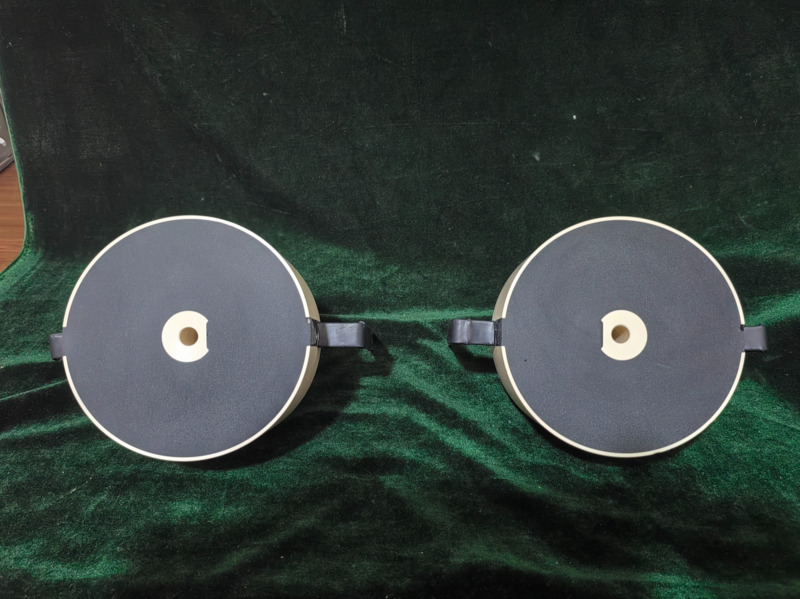
森林灭火吊桶

Forest Fire Extinguishing Bucket

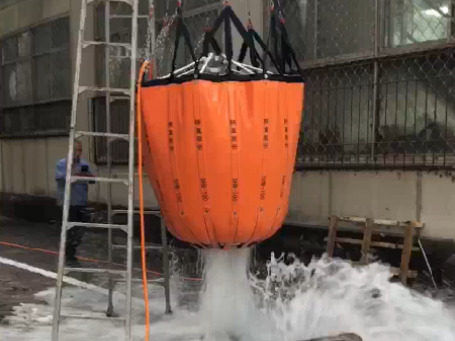
        Forest fire-fighting bucket is a special fire-fighting container hung outside the helicopter, which is used to quickly take water from the water source and accurately spray it to the fire scene. It is the core and most commonly used equipment for forest aviation fire fighting.

        The core of the forest fire fighting bucket experiment is equipment performance verification and operation efficiency evaluation. It is divided into two types of scenes: laboratory/ground bench and air flight. It is carried out according to four types of objectives: equipment factory inspection, model adaptation, tactical demonstration and new technology integration. The key focuses on four dimensions: water intake/discharge efficiency, sprinkling accuracy, environmental impact and safety boundary.

电磁霍普金森杆

Electromagnetic Hopkinson Rod

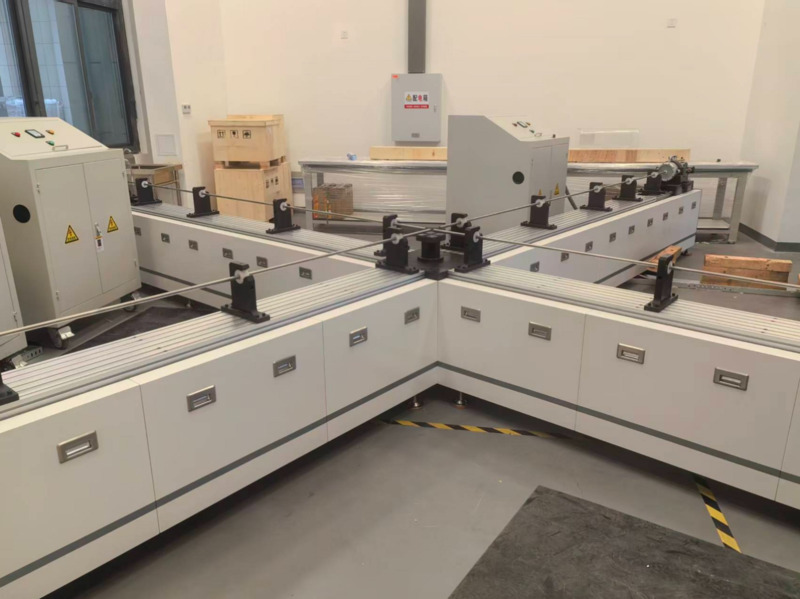
        The electromagnetic Hopkinson bar is an advanced equipment in the field of impact dynamics. It combines electromagnetic pulse technology with the classic Hopkinson bar, solves the pain point of uncontrollable waveform and single function of the traditional device, and becomes an indispensable core means to study the mechanical behavior of materials at high strain rate and develop dynamic constitutive models.

        The core purpose is to test the mechanical properties of materials under strong dynamic loads such as high-speed impact, explosion and collision. It is more controllable, clean and multi-functional than traditional pneumatic type. Its application is very concentrated in national defense, aerospace, automobile, advanced materials and other fields.

风洞模型

wind tunnel model

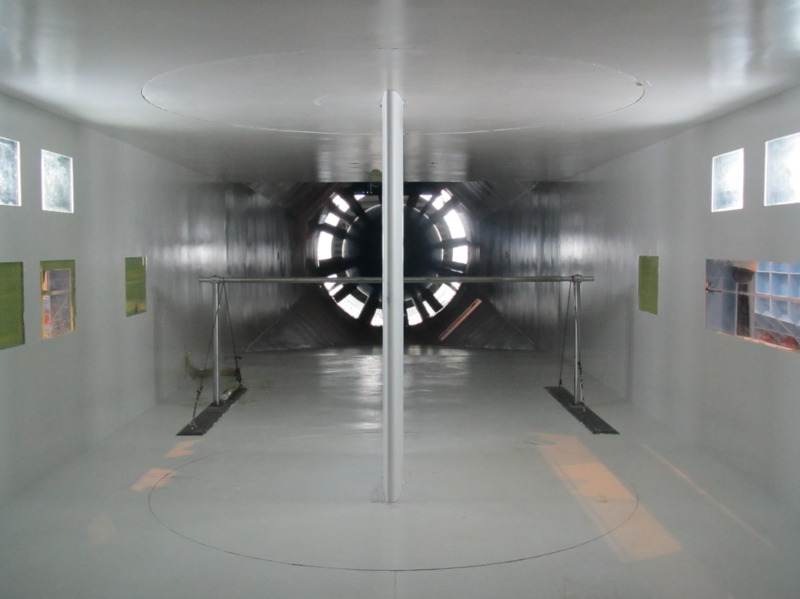
        The wind tunnel model is a high-precision scaled experimental piece made to simulate the aerodynamic characteristics of real objects in the wind tunnel laboratory based on the similarity theory. It is an indispensable core tool in aerodynamic research, aircraft and various equipment research and development. It is used to obtain key aerodynamic data such as lift, drag, pressure distribution, and stability of objects in the airflow.

        It is mainly used in the fields of aerospace, automobile transportation, construction engineering, energy equipment, sports equipment and national defense and military industry to test the aerodynamic performance, wind resistance safety and operating efficiency of objects in airflow.